Author Archive | Jonathan Becher

Numerosity heuristic

The Numerosity Heuristic

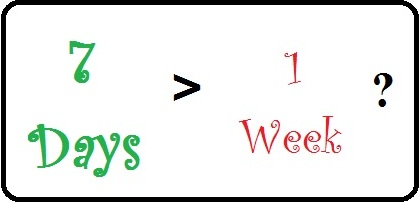
Learning about the numerosity heuristic can save you money. As a three-time CEO, I’ve had a lot of experience with incentive stock options and have been appalled by how poorly they are understood by employees. Many employees fixated on the number of shares they were granted, rather than the percentage of shares outstanding. They would multiply their…
Continue Reading 10

Orchestrator or Autocrat?

This weekend’s Wall Street Journal contained an article by former Chrysler and General Motors executive Bob Lutz called “Life Lessons from a Car Guy.”  Lutz believes that different kinds of organizations require different kinds of leaders.  A loosely-connected conglomerate like General Electric requires a leader with vision and portfolio management skills; investing/divesting lines of business,…

Continue Reading 11

Spell Cymotrichous To Win

At the 84th annual Scripps National Spelling Bee, Sukanya Roy, a 14-year-old from northeastern Pennsylvania, correctly spelled cymotrichous to win the top prize over 274 other spellers after 20 rounds. Cymotrichous? I had no idea that word existed, let alone what it meant. Cymotrichous, which means having wavy hair, isn’t even recognized by the spell checker in Microsoft…

Continue Reading 1

Be Brief

In a blog and twitter infected world, you would think that we have all learned to be brief. A never-ending parade of 50 slide ppt decks, run-on emails, and hour-plus lectures reminds me that we haven’t. It’s hard to get to the point. If you’re guilty of long emails or verbose marketing copy, remember the…

Continue Reading 16

Single Statement

In his 1963 Lectures on Physics, Richard Feynman famously asked about a single statement that captures all knowledge: If, in some cataclysm, all of scientific knowledge were to be destroyed, and only one sentence passed on to the next generations of creatures, what statement would contain the most information in the fewest words? Dr. Feynman…

Continue Reading 1

Your Brain at Work

Most of us view work as a kind of economic transaction: people exchange labor for financial compensation. Depending on the job, increased quantity of labor (number of hours) or increased quality of labor (bonus or promotion) results in increased compensation. However, there is an increasing amount of research that shows that we are motivated not…

Continue Reading 3